- Apr 18
How Technology Is Changing Mental Health Support for Neurodivergent Adults
- Dr. Mel
- AuDHD
- 0 comments
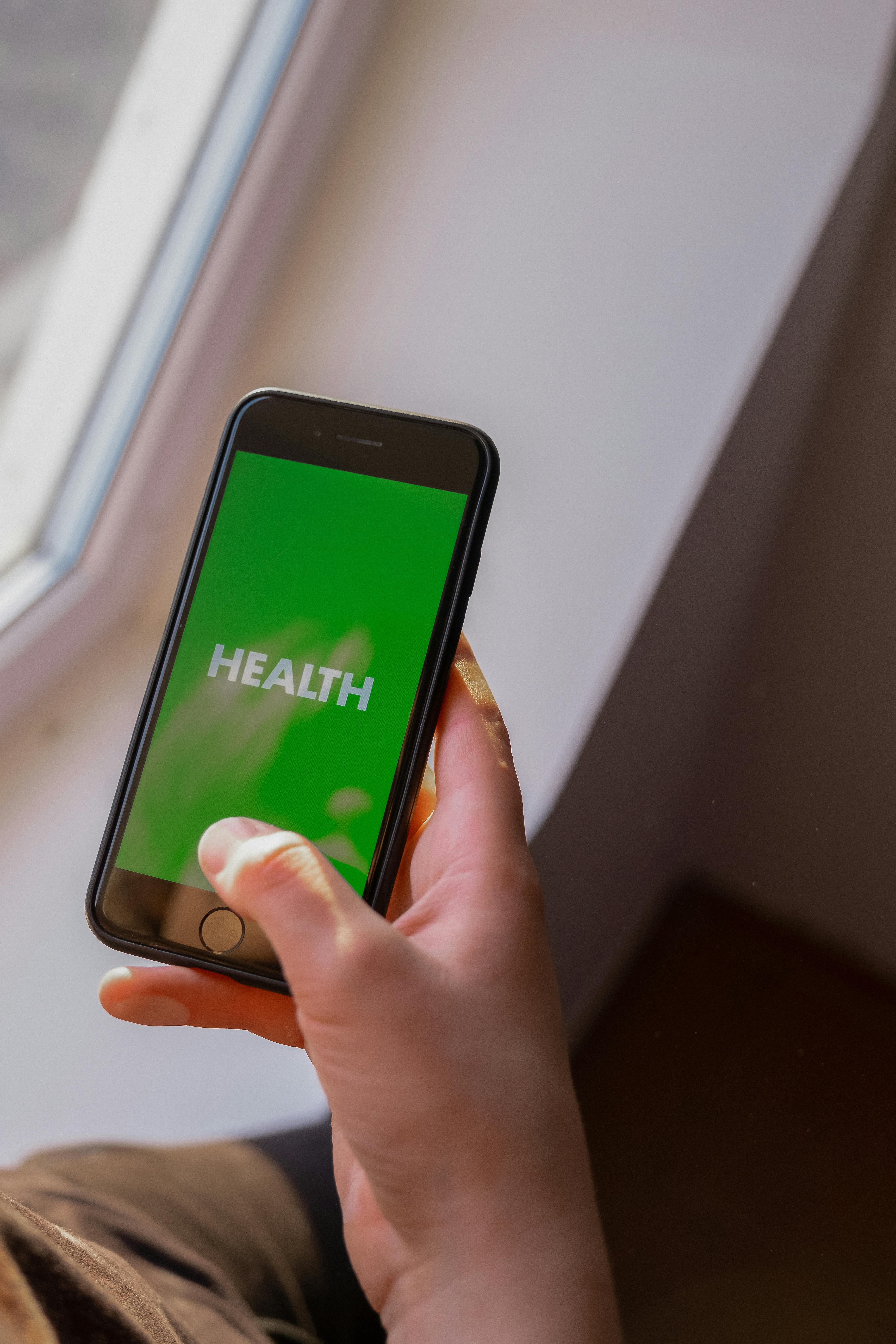
https://www.pexels.com/@polina-zimmerman/
You've tried therapy. You've downloaded the meditation apps. You've followed the "10 steps to reduce anxiety" articles. And none of it worked the way it was supposed to.
Not because you weren't trying. Not because you're broken. But because mainstream mental health tools were not built for neurodivergent minds.
They assume you can sit still for twenty minutes of guided meditation without your brain wandering to seventeen different topics. They assume journaling prompts like "write about gratitude" will feel accessible when your executive function is offline. They assume you can remember to use the tool at the exact moment you're dysregulated—which is precisely when working memory fails.
For decades, neurodivergent adults have been told that these tools work, and if they don't work for you, the problem must be you. You're not consistent enough. You're not motivated enough. You're resistant to change.
The actual problem? The tools were designed for neurotypical brains and then marketed to everyone as if neurology doesn't matter.
But something is starting to shift. Technology—when designed thoughtfully, with neurodivergent input, grounded in evidence—is beginning to create mental health support that actually fits how our brains work.
What's changing: personalisation that actually means something
The first wave of mental health apps offered one-size-fits-all solutions. Everyone got the same breathing exercise, the same journaling prompt, the same mindfulness meditation. If your ADHD brain couldn't sustain attention through a ten-minute body scan, that was your failure, not the app's design flaw.
The newer generation of tools is starting to understand that neurodivergent brains need options, not prescriptions. Some people need audio because reading feels inaccessible when they're overwhelmed. Others need text because auditory processing shuts down under stress. Some need short, structured exercises they can complete in two minutes. Others need deeper content they can absorb when hyperfocused.
Personalisation isn't just about choosing your favourite colour scheme. It's about recognising that the pathway to regulation looks different depending on your neurology, your current capacity, and what's actually happening in your nervous system right now.
Good technology doesn't force you to adapt to a rigid system. It adapts to you.
Accessibility that goes beyond ramps
When we talk about accessibility in mental health, we usually mean physical access—can you get into the building, can you afford the session, is there parking nearby. Those things matter. But neurodivergent accessibility is broader.
Can you access the support when your executive function has collapsed and making a phone call feels impossible? Can you use the tool when you're in shutdown and can't form sentences? Can you engage with the content when sensory overwhelm has taken your capacity to sit in a brightly lit office and make eye contact for fifty minutes?
Technology makes some of this possible in ways traditional therapy can't. An app on your phone is available at 2 AM when you're having a panic attack and no therapist is awake. A pre-recorded skill can be accessed when you're too dysregulated to explain what's happening to another human. Audio content can be absorbed while you're moving, which helps ADHD brains regulate better than sitting still ever could.
This doesn't replace therapy. It supplements it. It fills the gaps between sessions. It provides tools in the moments when you need them, not just during the one hour a week when your therapist is available.
Evidence-based approaches, finally accessible
Here's what most people don't know: the therapeutic approaches that work best for neurodivergent adults—Dialectical Behaviour Therapy, Acceptance and Commitment Therapy, somatic regulation, Neuro-Linguistic Programming techniques—are often inaccessible because practitioners trained in these modalities are rare and expensive.
You might wait months for an intake appointment with a DBT-trained therapist. You might not have one in your area at all. Even if you find one, the cost can be prohibitive, and insurance rarely covers it adequately.
Technology can't replace a skilled clinician. But it can make evidence-based skills accessible to people who would never otherwise encounter them. A neurodivergent adult in a rural area with no local trauma-informed therapists can still learn grounding techniques from a well-designed app created by clinicians who actually understand the neurology. Someone who can't afford weekly therapy can still access DBT distress tolerance skills when they're in crisis.
This matters because the skills work. They're not pseudoscience or wellness industry nonsense. They're clinically validated approaches that genuinely help—when they're taught in ways that match how neurodivergent brains learn.
The risks: not all apps are created equal
Here's the part that needs to be said clearly: the mental health app space is flooded with poorly designed, under-researched, occasionally harmful tools created by people with no clinical training and no understanding of neurodivergence.
Some apps gamify mental health in ways that turn regulation into another task you're failing at. Some use manipulative behavioural psychology to keep you engaged without actually helping. Some were built by tech developers who Googled "anxiety tips" and packaged generic advice into a pretty interface with no clinical oversight whatsoever.
Credentials matter. Evidence matters. Lived experience matters. An app created by someone with a psychology degree and actual neurodivergent clients is fundamentally different from one built by a startup founder who thinks mental health is a market opportunity.
Before you trust an app with your mental health, ask: Who built this? What's their training? Are the approaches evidence-based? Were neurodivergent people involved in the design, or were we an afterthought?
If those questions can't be answered, be cautious.
What good technology can do
When it's done right—when it's built by people who understand both the clinical science and the lived experience—technology can offer something traditional mental health systems often can't: support that's genuinely designed for how your brain works.
It can offer flexibility. You can access it when you need it, not just when an appointment is available. You can use it in ways that match your capacity—two minutes when you're depleted, twenty when you're able to focus.
It can offer sensory awareness. Dark mode for light sensitivity. Audio options for reading fatigue. Minimal design for overwhelm. Text-based alternatives for auditory processing difficulties.
It can offer autonomy. You're not waiting for permission or an appointment to learn a skill. You're not dependent on a therapist remembering what worked last session. You have the tools in your pocket.
And perhaps most importantly, it can offer something built for you from the ground up, not adapted from neurotypical frameworks as an afterthought.
You deserve support that was actually built for you
For too long, neurodivergent adults have been told to make do with systems that weren't designed for us. Adapt. Work harder. Try again. Fit into the neurotypical-shaped hole even though you're not neurotypical-shaped.
We've spent years—sometimes decades—trying tools that don't work and blaming ourselves when they fail.
But the truth is, you don't need to change. The tools need to change. And finally, slowly, some of them are.
You deserve mental health support that understands executive dysfunction, sensory processing differences, interoceptive challenges, and the reality of living in a brain that works differently. You deserve approaches grounded in evidence, taught by people with actual training, designed with neurodivergent input.
That support is becoming possible. Not everywhere yet. Not perfectly. But it's starting.
And if you've been waiting for something built for your brain, not despite it—you're not asking for too much. You're asking for what should have existed all along.
I'm Dr. Melanie du Preez, a registered clinical psychologist with 26 years specialising in neurodivergent mental health, and a late-diagnosed neurodivergent adult myself. I built The Neurodiversity Skills Coach—a neurodiversity-affirming mental health app grounded in DBT, ACT, somatic regulation, and NLP—because I couldn't find the tool I needed for my own clients and community. It launches April 28, and if you want to explore what neurodivergent-designed support looks like, you're welcome to check it out at the link I'll post the 28th. No pressure. Just an option, if it feels right. Remember to download your free guide here: https://drmel1.podia.com/tech-savvy-neurodiversity-guide